
The Future of AI Translation Tools: Trends, Market Growth, and Business Impact (2026–2028)
Introduction: Why AI Translation Tools Are Entering a New Growth Cycle
The global marketplace is undergoing a tectonic shift. For decades, language barriers acted as a friction point for cross-border e-commerce and global SaaS expansion. However, we are currently witnessing the transition from traditional, rule-based translation to a new era of AI translation tools powered by Large Language Models (LLMs) and generative AI.
As we look toward 2026–2028, the definition of translation is changing. It is no longer just about converting text from Language A to Language B; it is about cultural adaptation, intent preservation, and real-time scalability. For localization leaders and international growth managers, leveraging these advanced tools is no longer optional—it is a critical component of a successful globalization strategy .
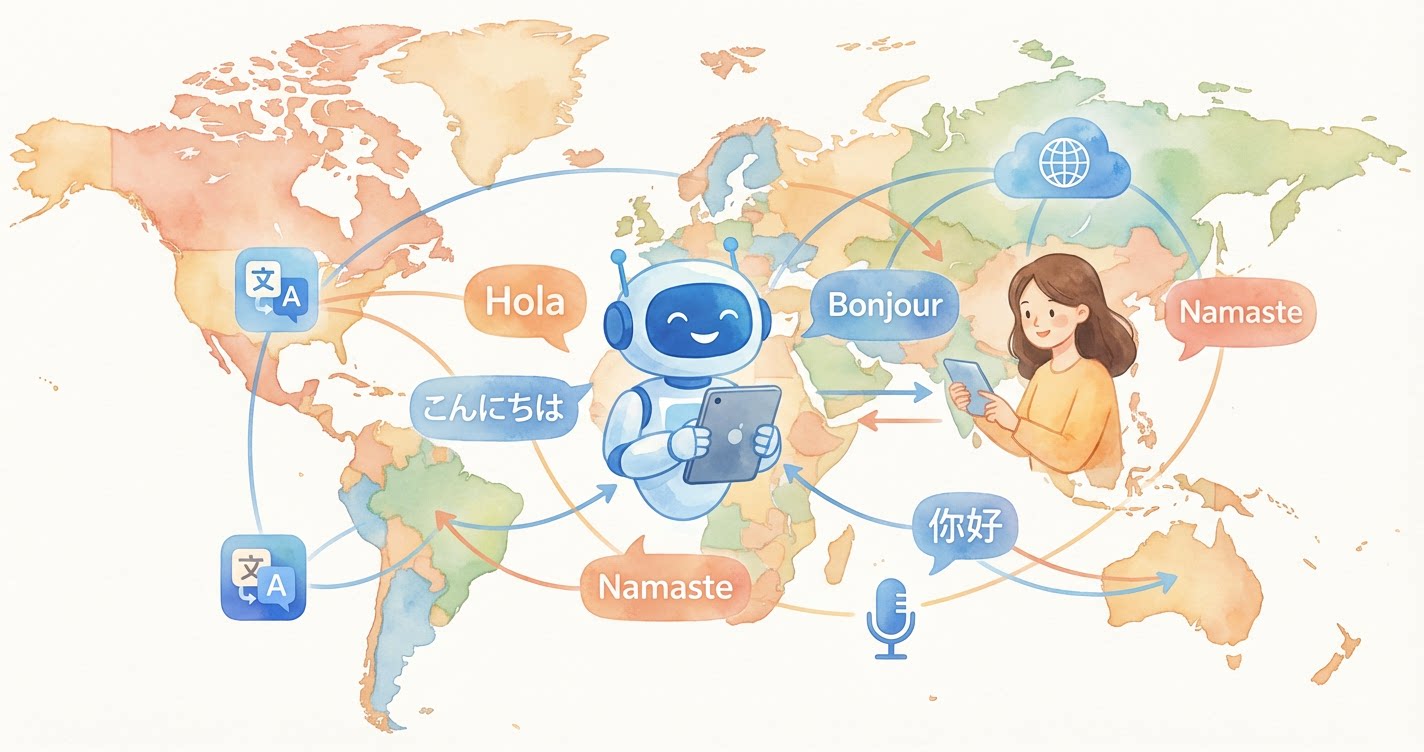
Multilingual communication powered by AI translation tools
The integration of Generative AI has solved historical pain points regarding nuance and context, allowing businesses to generate multilingual content at a speed and quality previously thought impossible. This article analyzes the market trajectory, key technological trends, and the tangible business impact of this evolution.
Market Size & Industry Data: How Big Is the AI Translation Market?
To understand the urgency of adopting these technologies, we must look at the data. The demand for content consumption in native languages is outpacing the capacity of human-only translation workflows.
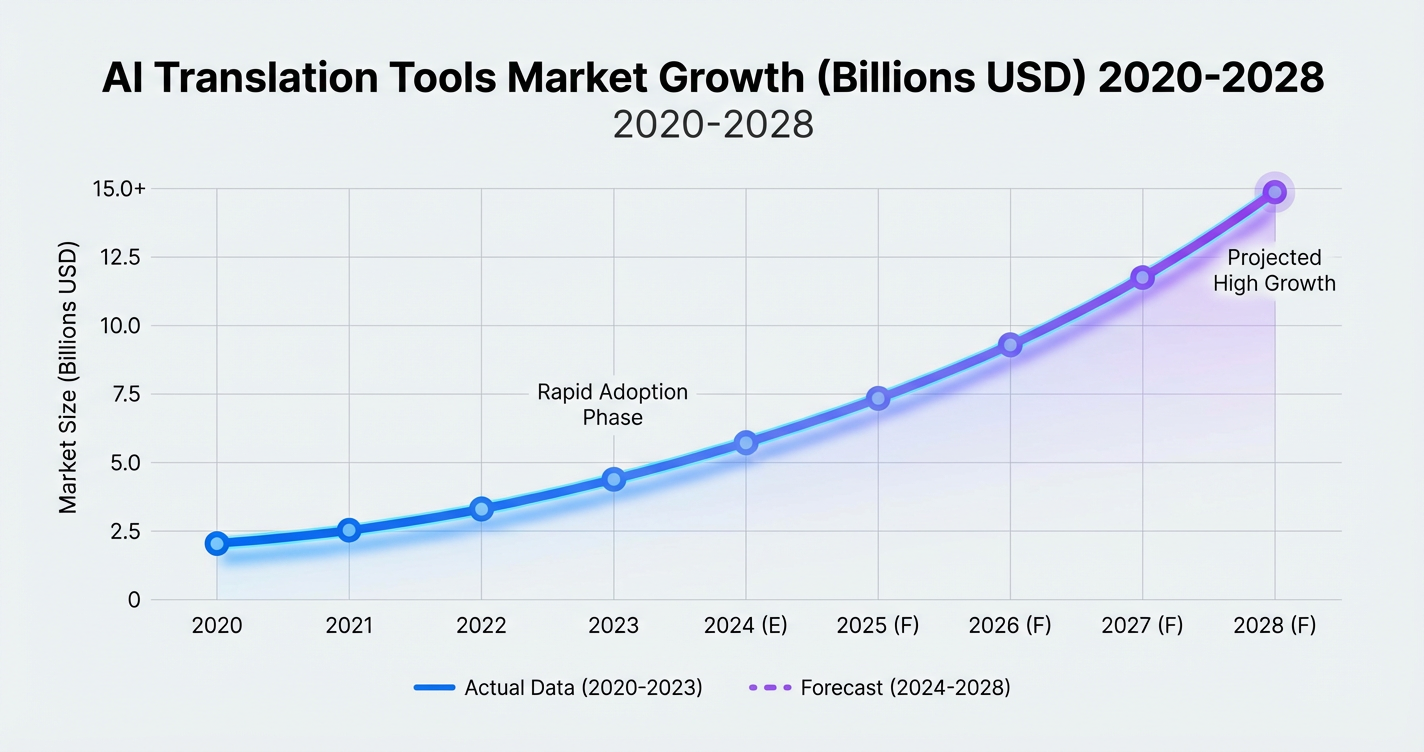
AI translation tools market growth 2020-2028
-
Market Valuation: According to Grand View Research , the global machine translation market size was valued at approximately USD 980 million in recent years and is expected to expand at a compound annual growth rate (CAGR) of over 19% through 2030.
-
Content Volume: Statista projections suggest that the volume of digital data generated globally is surging. To keep up, enterprises are increasing their reliance on AI; CSA Research notes that post-editing of machine translation is becoming the dominant service in the language sector, with a significant percentage of LSPs (Language Service Providers) reporting revenue growth from AI-linked services.
-
Adoption Rates: A report by Gartner predicts that by 2026, 75% of enterprise localization tasks will rely on AI-augmented workflows, up from less than 30% in 2023.
These figures underscore a clear reality: the AI translation tools market is shifting from a niche technology sector to a massive global industry essential for business continuity.
Key Trend 1: From Machine Translation to AI-Powered Localization
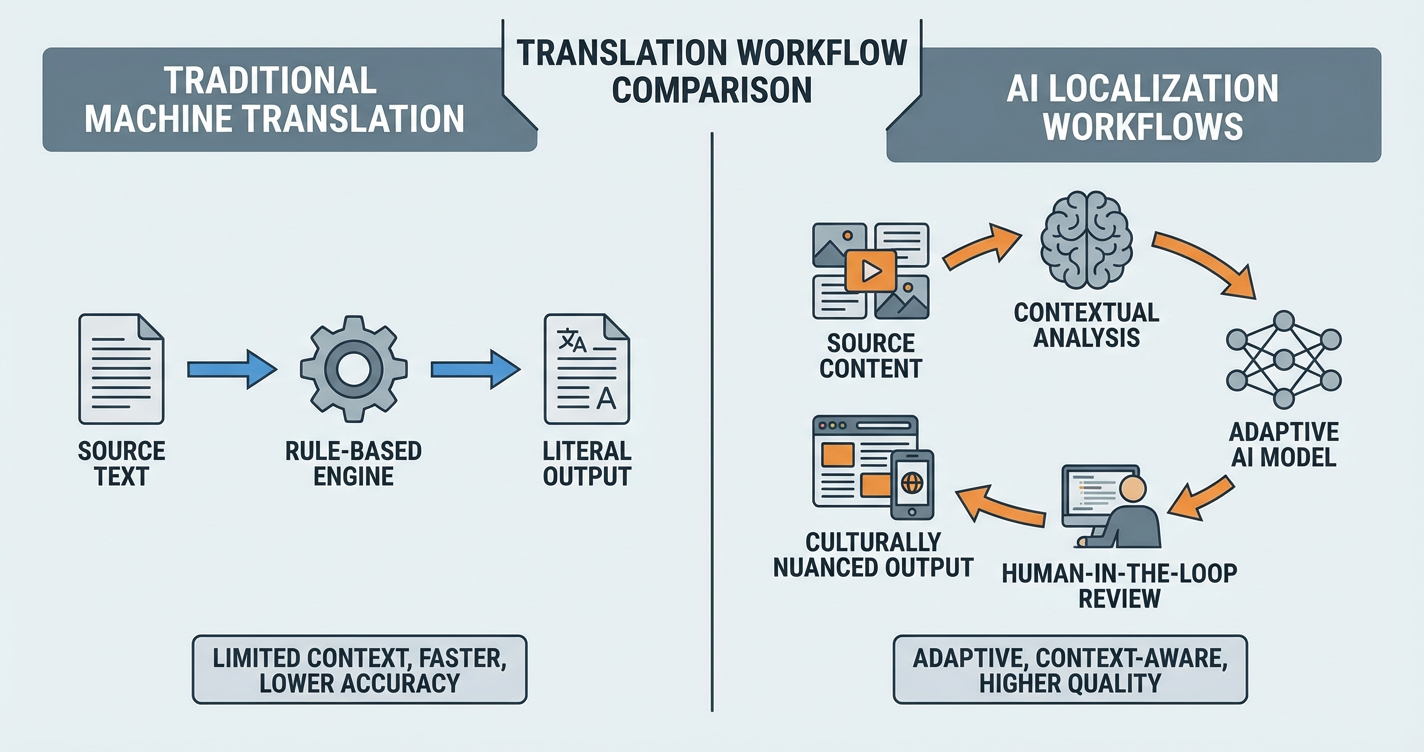
Traditional machine translation vs AI localization workflows
Beyond Literal Translation
Traditional Neural Machine Translation (NMT) engines excelled at grammar but often failed at context. The integration of LLMs allows modern tools to understand the scenario . For example, an AI tool can now differentiate whether the word “copy” refers to a duplicate file or marketing text based on the surrounding prompt.
Context-Aware Capabilities
Newer AI localization platforms allow companies to upload brand style guides and glossaries directly into the model’s context window. This ensures that terminology remains consistent across thousands of web pages without manual intervention. The technology is moving toward context-aware translation , where the AI understands cultural nuances (eg, changing currency formats, date structures, and idiomatic expressions) automatically.
Key Trend 2: Translation Tools Becoming Core Infrastructure for Global SaaS
For SaaS companies and digital platforms, translation is no longer a post-product launch task; it is becoming part of the CI/CD pipeline.
The Rise of API-First Workflows
We are seeing a surge in translation API usage. Developers are integrating translation engines directly into their CMS (Content Management Systems), PIM (Product Information Management), and CRM platforms. This allows multilingual SaaS products to update instantaneously. When a developer pushes a code update in English, the API triggers localized versions for German, Japanese, and Spanish markets simultaneously.
Infrastructure for Growth
In this new paradigm, AI translation tools act as the infrastructure for global expansion . Just as AWS is the infrastructure for hosting, AI translation is the infrastructure for accessibility. This shift reduces the friction of entering new markets, allowing companies to test non-English markets with a “Minimum Viable Localization” strategy before committing fully.
Key Trend 3: Human + AI Collaboration Will Dominate Enterprise Translation
Despite the power of AI, the human element remains vital, particularly for high-value content. The 2026–2028 period will be dominated by the “Human-in-the-Loop” (HITL) model.
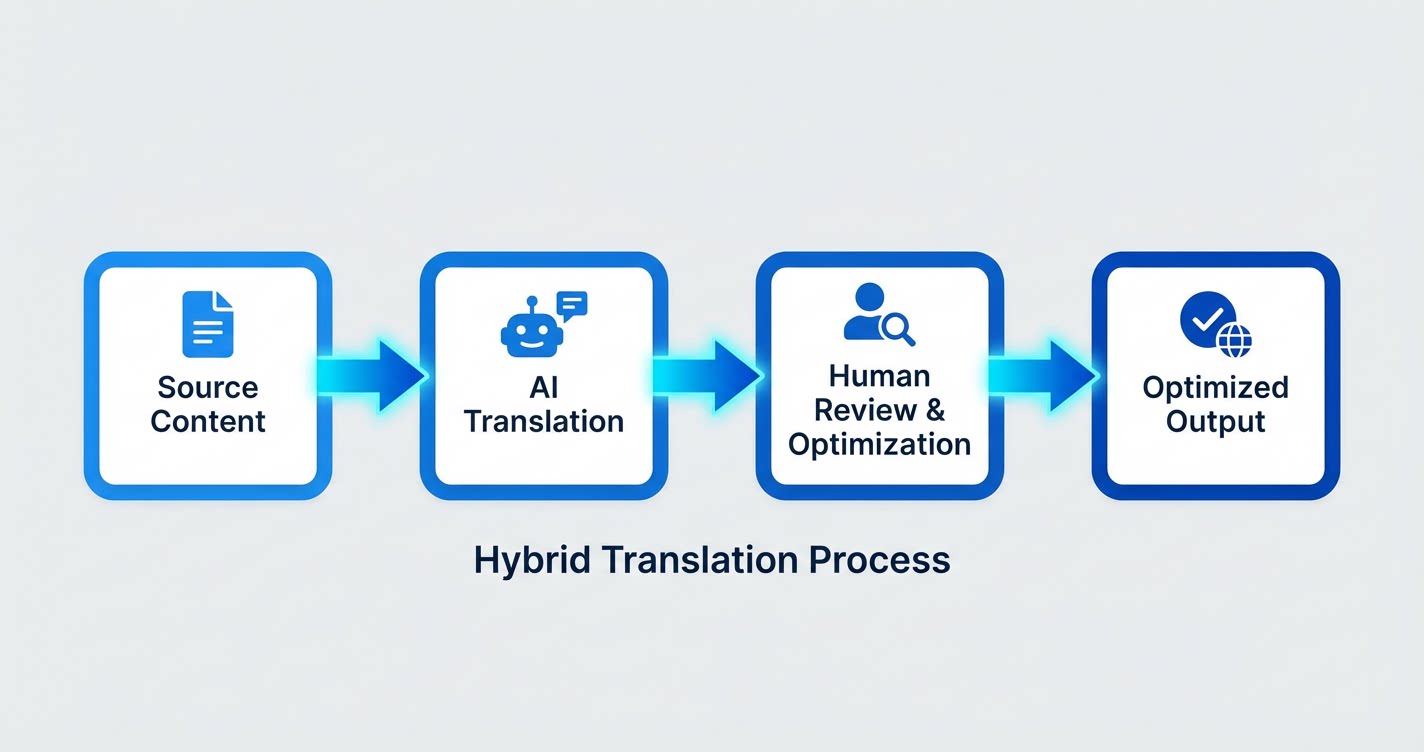
AI translation with human review and optimization
The MTPE Standard
Enterprise translation workflows are standardizing around MTPE (Machine Translation Post-Editing) . In this model, AI handles the heavy lifting—translating 80-90% of the content instantly—while human linguists review the output for tone, brand voice, and cultural sensitivity.
Strategic Allocation of Resources
This collaboration allows for a tiered strategy:
-
Tier 1 (Creative/Legal): 50% AI + 50% Human (Marketing slogans, legal terms).
-
Tier 2 (Help Center/UI): 80% AI + 20% Human (Docs, standard buttons).
-
Tier 3 (UGC/Reviews): 100% AI-assisted translation (User comments, forum posts).
This hybrid approach maximizes efficiency without sacrificing the quality required for building brand trust.
Business Impact: How AI Translation Tools Drive ROI
The adoption of advanced translation technology is not just an IT decision; it is a revenue driver.
Cost Efficiency and Speed
By automating the bulk of the work, companies can reduce translation costs by 30–50% compared to traditional human-only workflows. Furthermore, the Time-to-Market (TTM) for localized content drops from weeks to minutes.
Revenue and Conversion
Data from CSA Research famously states that a vast majority of consumers prefer to buy products in their native language (“Can’t Read, Won’t Buy”). By utilizing AI translation tools to localize the entire customer journey—from ads to customer support—businesses see a direct correlation in improved conversion rates. Shopify reports regarding cross-border commerce consistently highlight that localized stores significantly outperform single-language stores in international markets.
Challenges & Risks: Accuracy, Compliance, and Data Security
As we embrace these tools, organizations must remain vigilant regarding the risks inherent in enterprise AI .
-
Data Security & GDPR: When using public translation engines, there is a risk of exposing sensitive company data to the model’s training set. Enterprises must utilize private, compliant translation API solutions that guarantee data sovereignty and zero-retention policies.
-
AI Accuracy & Hallucinations: While LLMs are powerful, they can “hallucinate” (invent facts). In sectors like healthcare or law, AI accuracy is non-negotiable. Rigorous testing and human oversight are mandatory.
-
Compliance: Adhering to regional regulations (like the EU AI Act) will be a major focus for localization managers in the coming years.
Conclusion: What Companies Should Prepare for in 2026–2028
The future of AI translation tools is not about replacing human translators, but about unlocking global scale that was previously unaffordable. By 2028, translation will be an invisible, always-on layer of the internet.
To prepare for this shift, enterprises should:
-
Audit Tech Stacks: Ensure your CMS and CRM are ready for API-based translation integration.
-
Adopt Hybrid Workflows: Move away from “all-human” or “all-machine” thinking. implement MTPE workflows immediately.
-
Prioritize Data Sovereignty: select vendors that prioritize data security within their AI architecture.
AI is the engine of modern global expansion . Companies that harness this engine today will dominate the international markets of tomorrow.